

By Estelle gonord photography
How to Plan a Stress-Free Wedding Timeline
Planning a wedding day timeline can feel overwhelming at first. Between hair and makeup, family photos, travel time, ceremonies, speeches, sunset portraits, and trying to actually enjoy the day… it’s easy for couples to accidentally create a schedule that feels rushed and stressful.
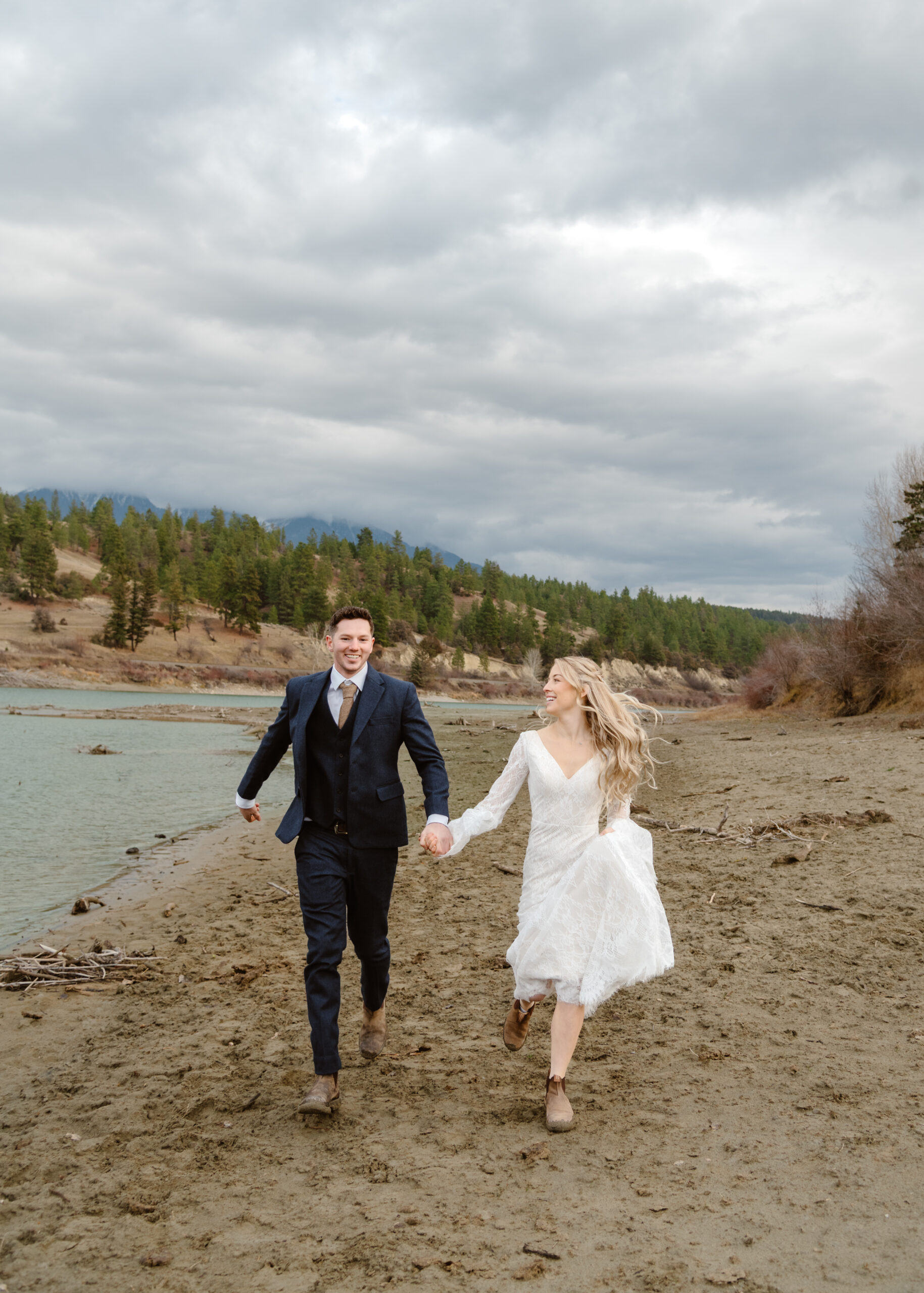
But here’s the good news: your wedding day doesn’t need to feel chaotic.
A well-planned timeline creates space for real moments to happen naturally… the quiet excitement while getting ready, the happy tears during vows, the laughter during cocktail hour, and those in-between moments you’ll remember forever.
As a wedding photographer based in the Kootenays serving Invermere, Cranbrook and beyond, I’ve seen firsthand how the right timeline completely changes the feel of a wedding day. Here’s how to build a timeline that feels calm, intentional, and actually enjoyable.

1. Start Earlier Than You Think You Need To
One of the biggest mistakes couples make is underestimating how long everything takes.
Hair and makeup almost always run behind. Family members disappear during portraits. Transportation takes longer than expected. Tiny delays add up quickly.
Adding buffer time throughout the day is one of the best ways to reduce stress.
Instead of planning every moment back-to-back, leave breathing room between events. Even an extra 10–15 minutes here and there can completely change the energy of the day.
A relaxed timeline allows you to:
- Stay present
- Enjoy moments naturally
- Avoid feeling rushed
- Keep guests relaxed
- Create better photos
The couples who enjoy their day the most are usually the ones who gave themselves time.

2. Consider a First Look
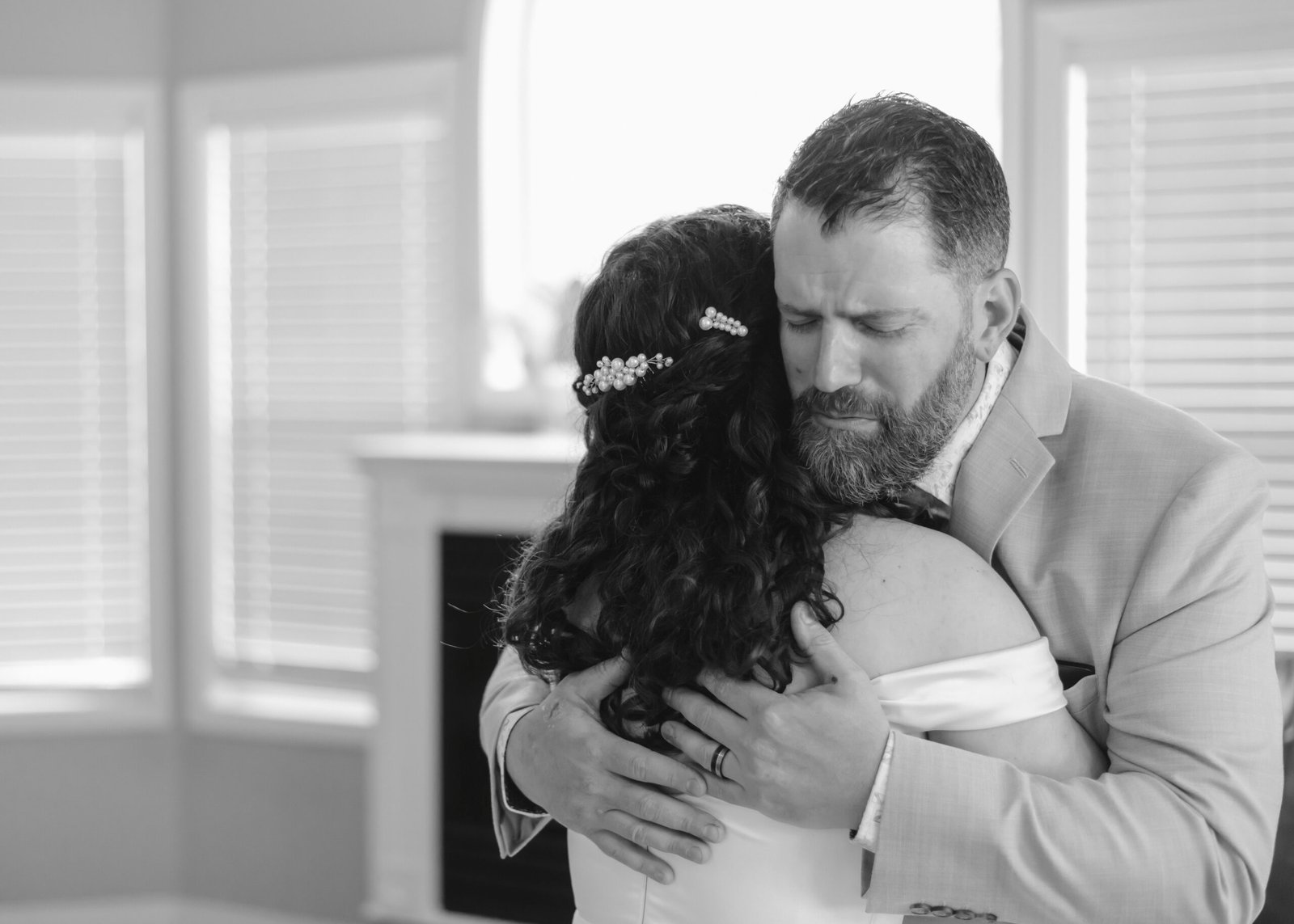
A first look isn’t for everyone but if your goal is a calm, relaxed wedding day, it can make a huge difference.
Seeing each other before the ceremony allows you to:
- Share a private moment together
- Calm nerves before walking down the aisle
- Get many portraits done earlier
- Enjoy more of cocktail hour with guests
It also gives your timeline much more flexibility later in the day.
Some couples worry it will take away from the ceremony moment, but honestly, the emotions during the ceremony are still just as real and powerful.
If you prefer the traditional aisle reveal, that’s beautiful too. The key is simply building enough time around your choice.
3. Don’t Overbook Your Day
It’s tempting to fit everything into your wedding day:
- Multiple locations
- Pinterest-inspired setups
- Huge photo lists
- Packed reception schedules
- Endless traditions
But often, the most meaningful weddings are the simplest ones.
Try to focus on:
- The moments that matter most
- The people you truly want around you
- Experiences over perfection
When couples over-schedule their day, they usually spend more time moving between things than actually enjoying them.
Your wedding isn’t a photoshoot schedule. It’s a real experience.
4. Build Your Timeline Around Light
Lighting plays a huge role in how your photos and videos feel.
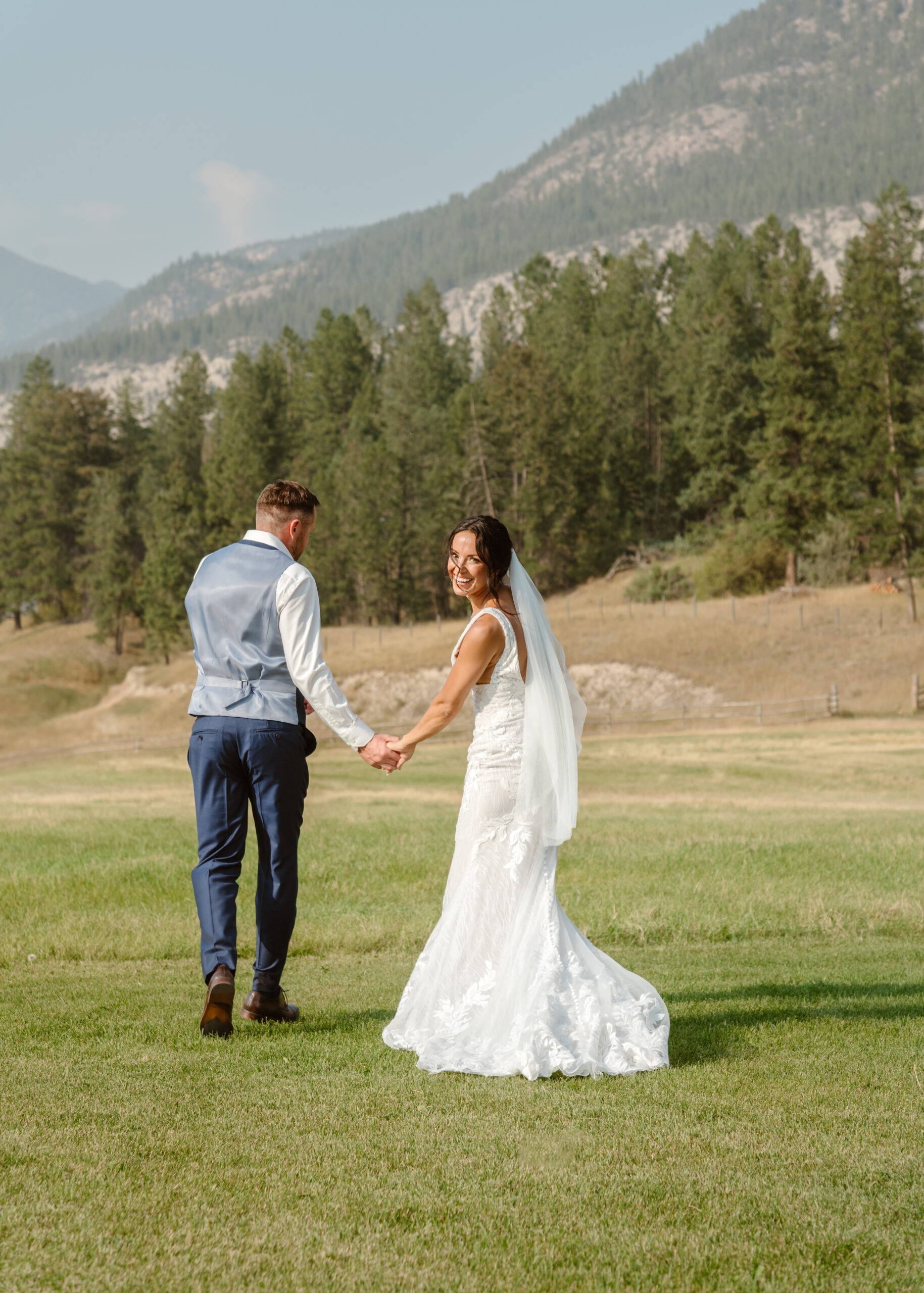
The soft golden light before sunset creates the most romantic and flattering images. Planning portraits during this time can completely elevate your gallery.
If possible:
- Schedule couple portraits near sunset
- Avoid harsh midday portraits when possible
- Leave flexibility for weather changes
A photographer who understands lighting can help guide this part of the timeline for you.
5. Keep Family Photos Organized
Family photos are often the most stressful part of the day, mostly because nobody knows where they’re supposed to be.
Before the wedding:
- Create a short family photo list
- Assign someone who knows both families well
- Keep combinations simple and efficient
This helps portraits move quickly so everyone can get back to enjoying cocktail hour.
Pro tip: keep your family photo list focused on immediate family and closest relationships. The longer the list, the more time disappears.
6. Plan Time Alone Together
Your wedding day goes by incredibly fast.
One of the best things you can do is intentionally schedule a few quiet moments together.
This could be:
- Private vows
- A sunset walk
- Five minutes alone after the ceremony
- Sneaking away during reception for golden hour portraits
Those small pauses often become some of the most meaningful memories from the day.
7. Trust Your Vendors
Your vendors do this all the time.
A good photographer, planner, coordinator, DJ, or videographer can help guide the flow of the day and adjust when things don’t go perfectly — because honestly, tiny delays happen at almost every wedding.
The goal isn’t perfection.
The goal is creating a day that feels good while leaving room for real moments to unfold naturally.

Example of a Relaxed Wedding Timeline
Morning
- 8:00 AM — Hair & makeup begins
- 11:30 AM — Photographer arrives
- 12:00 PM — Getting ready photos
- 1:30 PM — First look + private vows
- 2:00 PM — Couple portraits
- 2:45 PM — Wedding party photos
Afternoon
- 3:30 PM — Ceremony
- 4:00 PM — Family photos
- 4:30 PM — Cocktail hour
Evening
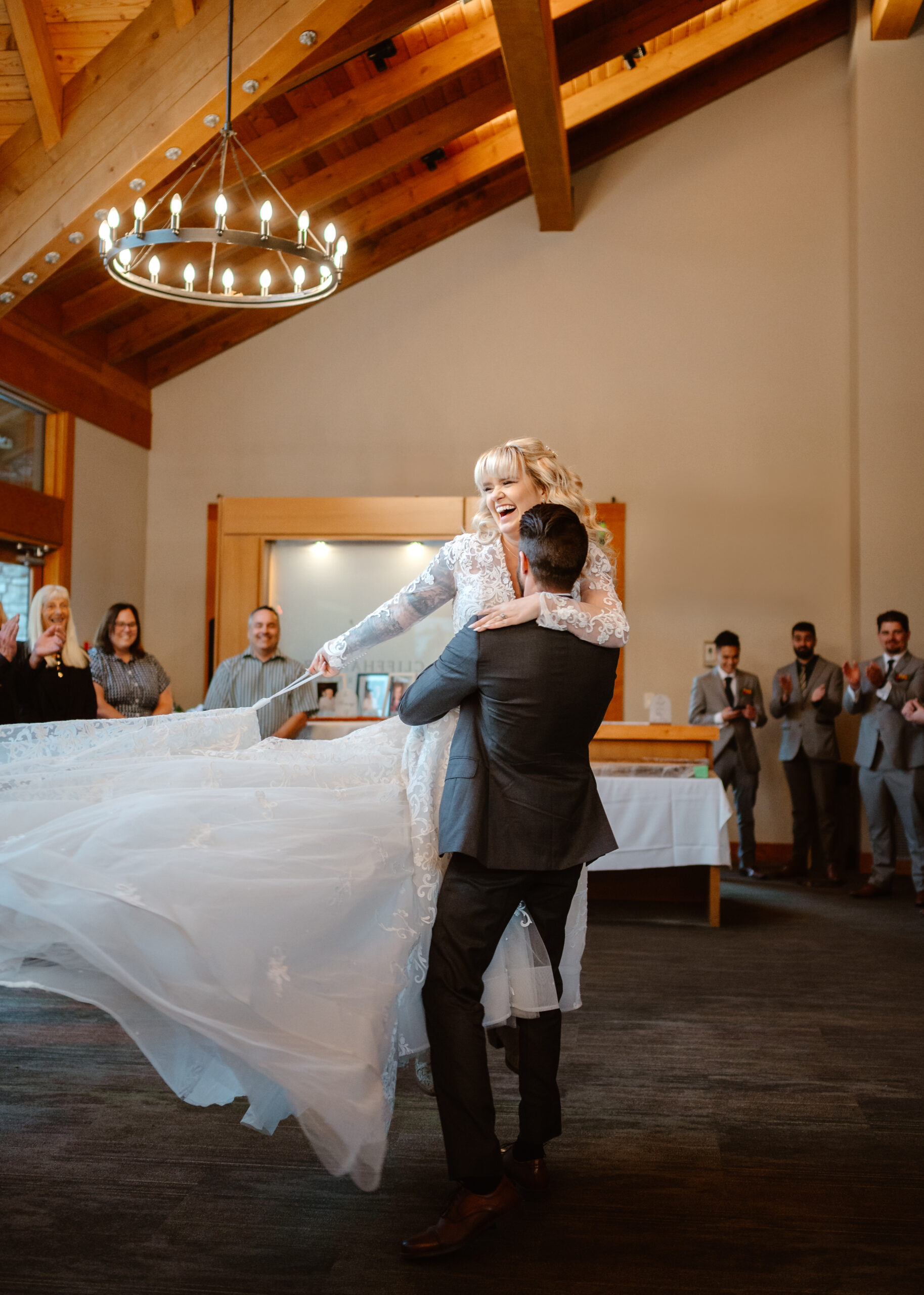
- 5:30 PM — Reception entrance
- 6:00 PM — Dinner
- 7:30 PM — Sunset portraits
- 8:00 PM — Speeches + dancing
Simple. Relaxed. Enough room to actually enjoy the day.
At the end of the day, your wedding timeline should support your experience not control it.
The best wedding days usually aren’t the perfectly planned ones. They’re the ones where couples felt present, connected, and able to fully enjoy the people around them.
Give yourself more time than you think you need.
Leave space for real moments.
And remember: the little imperfect moments are often the ones you’ll treasure most.
